


Best Beginner String Instruments for Students
- ntxwedding
- Feb 20
- 4 min read

Choosing the right string instrument for a student can feel overwhelming. There are so many options, sizes, and skill levels to consider. But don’t worry! Whether you’re helping a young learner or picking up an instrument yourself, this guide will walk you through the best beginner string instruments. You’ll discover which ones are easiest to learn, affordable, and perfect for building a strong musical foundation.
Ready to find the perfect fit? Let’s dive in!
Why Beginner String Instruments Matter
Starting with the right instrument can make all the difference. Beginner string instruments are designed to be easier to handle, play, and maintain. They help students build confidence and develop good habits from the start. Plus, they’re often more affordable, which is great if you’re investing in a new hobby or supporting a budding musician.
Here’s what to look for in a beginner instrument:
Size and weight: Smaller, lighter instruments are easier for young players to manage.
Playability: Smooth strings and comfortable necks help beginners produce clear sounds.
Durability: Instruments that can withstand practice sessions and occasional bumps.
Sound quality: Even beginners deserve an instrument that sounds good and motivates them to keep playing.
If you want to explore a wide range of student string instruments, Denton Strings offers affordable, quality options perfect for beginners and beyond.

Top Beginner String Instruments to Consider
Let’s break down some of the most popular string instruments for beginners. Each has unique qualities that make it a great choice depending on age, interest, and musical goals.
Violin
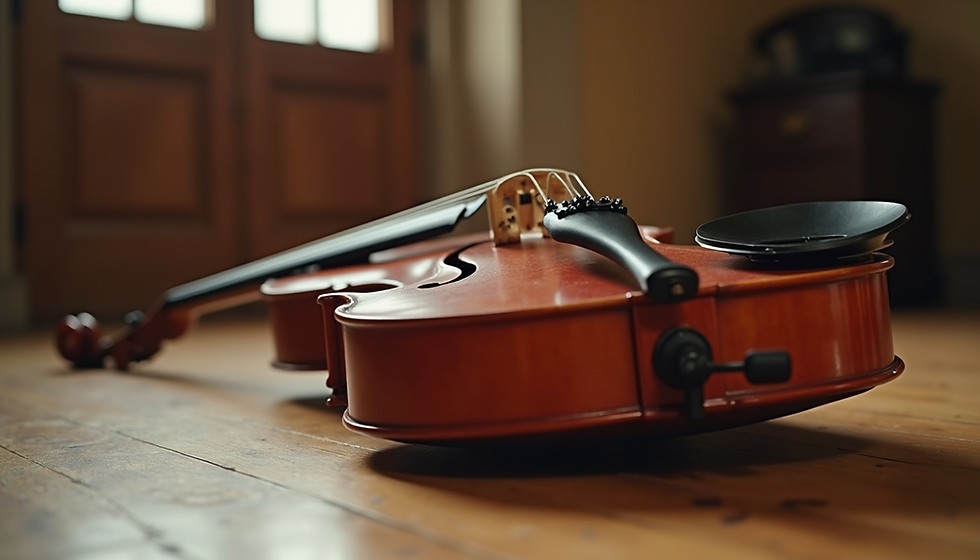
The violin is a classic choice for beginners. It’s small, portable, and widely used in orchestras and solo performances. Violins come in various sizes, so kids and adults alike can find a comfortable fit. Plus, learning violin builds excellent finger dexterity and ear training.
Why choose a violin?
Lightweight and easy to carry
Wide range of music styles available
Great for developing pitch and rhythm skills
Viola
Slightly larger than the violin, the viola produces a deeper, richer sound. It’s perfect for students who want to explore a different tonal range. The viola’s size means it’s better suited for older children or teens.
Why choose a viola?
Unique, warm sound
Less common, so less competition in orchestras
Builds strong bowing and fingering skills
Cello
The cello is larger and played sitting down, making it a bit different from violin and viola. It has a beautiful, resonant tone that appeals to many students. Cellos come in smaller sizes for younger players, so don’t worry about the size!
Why choose a cello?
Rich, deep sound that’s easy to hear
Encourages good posture and hand coordination
Versatile in classical and contemporary music
Double Bass
The double bass is the largest string instrument and offers the lowest pitch. It’s ideal for students interested in jazz, orchestras, or bands. Because of its size, it’s usually recommended for older students or those with a strong interest.
Why choose a double bass?
Powerful, deep tones
Essential in many music genres
Builds strong physical and musical skills
Guitar
While not always grouped with orchestral string instruments, the guitar is a fantastic beginner string instrument. It’s versatile, widely popular, and great for playing many music styles. Acoustic guitars are especially beginner-friendly.
Why choose a guitar?
Easy to find affordable beginner models
Great for solo and group playing
Builds finger strength and rhythm skills

What’s the easiest string instrument to learn?
If you’re wondering which string instrument is the easiest to pick up, the answer depends on your goals and preferences. However, many beginners find the violin or guitar to be the most accessible starting points.
Why the violin?
Small size and lightweight design make it easy to hold.
Simple tuning with four strings.
Plenty of beginner resources and teachers available.
Why the guitar?
Frets help guide finger placement.
Can play chords and melodies quickly.
Widely used in many music genres, so motivation stays high.
That said, the cello and viola might take a bit more time to master due to their size and playing position. The double bass requires strength and commitment but rewards with a unique sound.
Remember, the easiest instrument is the one you feel excited to practice every day!
Tips for Choosing the Right Instrument for You
Picking the perfect beginner string instrument isn’t just about the instrument itself. Here are some practical tips to help you make the best choice:
Try before you buy: Visit a local music store or Denton Strings to hold and play different instruments.
Consider size and comfort: Make sure the instrument fits your body and feels comfortable to hold.
Think about your musical interests: Do you want to play classical, jazz, folk, or pop? Different instruments suit different styles.
Budget wisely: Beginner instruments don’t have to be expensive. Look for quality within your price range.
Ask for expert advice: Teachers and experienced players can offer valuable insights.
By following these tips, you’ll find an instrument that inspires you to practice and grow.
Caring for Your Beginner String Instrument
Once you have your instrument, taking care of it is key to keeping it in great shape. Here are some simple care tips:
Store it properly: Use a case to protect your instrument from dust and damage.
Keep it clean: Wipe down strings and body after playing.
Check tuning regularly: A well-tuned instrument sounds better and is easier to play.
Replace strings when needed: Old strings can sound dull and be harder to play.
Schedule regular maintenance: A professional setup can improve playability and sound.
Good care habits will help your instrument last for years and keep your practice sessions enjoyable.
Choosing the right beginner string instrument is an exciting first step on your musical journey. Whether you pick a violin, cello, guitar, or another stringed instrument, the key is to find one that feels right for you. With the right instrument in hand, practice becomes fun, and progress comes naturally.
Ready to explore your options? Check out the student string instruments available at Denton Strings. They offer affordable, quality instruments perfect for students and musicians across North Texas and beyond. Your perfect beginner instrument is waiting!


Comments